Our Water and the Glaciers
The Water Cycle, Glaciers, and the Climate Crisis
Esther Frotscher, Conny Kawohl
How does the Earth’s water cycle work?
More than 70% of the Earth’s surface is covered by water—about 97% of it as salt water in our oceans. Only the remaining 3% is bound in freshwater, which we rely on for drinking water. But where does freshwater actually come from? Freshwater is mostly—99.7%—trapped in glaciers or deep groundwater layers. Only the remaining 0.3% circulates within a water cycle that has remained stable for millennia. This amounts to a volume of 120,000 cubic kilometers (roughly the equivalent of 48 billion swimming pools full of water) that continuously flows through the same cycle over the course of a year. From open bodies of water such as lakes, rivers, and seas, but also through evaporation from plants (such as in rainforests), water rises into the atmosphere, accumulates in clouds, and is carried across the Earth by wind. From there, it falls back to the surface as rain or snow—simply put—where it is absorbed by the ground and seeps into groundwater. Glaciers can capture water most easily in the form of snow. However, they also release water, feeding mountain lakes, rivers, and entire regions. If glaciers experience intense melting due to seasonal changes or extreme heat, they can suddenly release more water than the lakes and rivers beneath them can handle. This can lead to floods, rapidly transporting large amounts of water into valleys.
What role do glaciers play in the water cycle?
Ideally, precipitation falls over glacier regions as snow, accumulating on the surface. In its first year, this snow layer is called firn. Over time, layers of firn compress, harden, and freeze, trapping water in the ice. This water is later released in multiple ways: melting snow on the glacier’s surface, melting ice at its base, and underground water flows that feed into the water cycle. This water enters lakes, mountain streams, and rivers near glaciers, eventually seeping into groundwater. Additionally, glaciers can directly contribute meltwater to groundwater by passing it through the underlying bedrock.
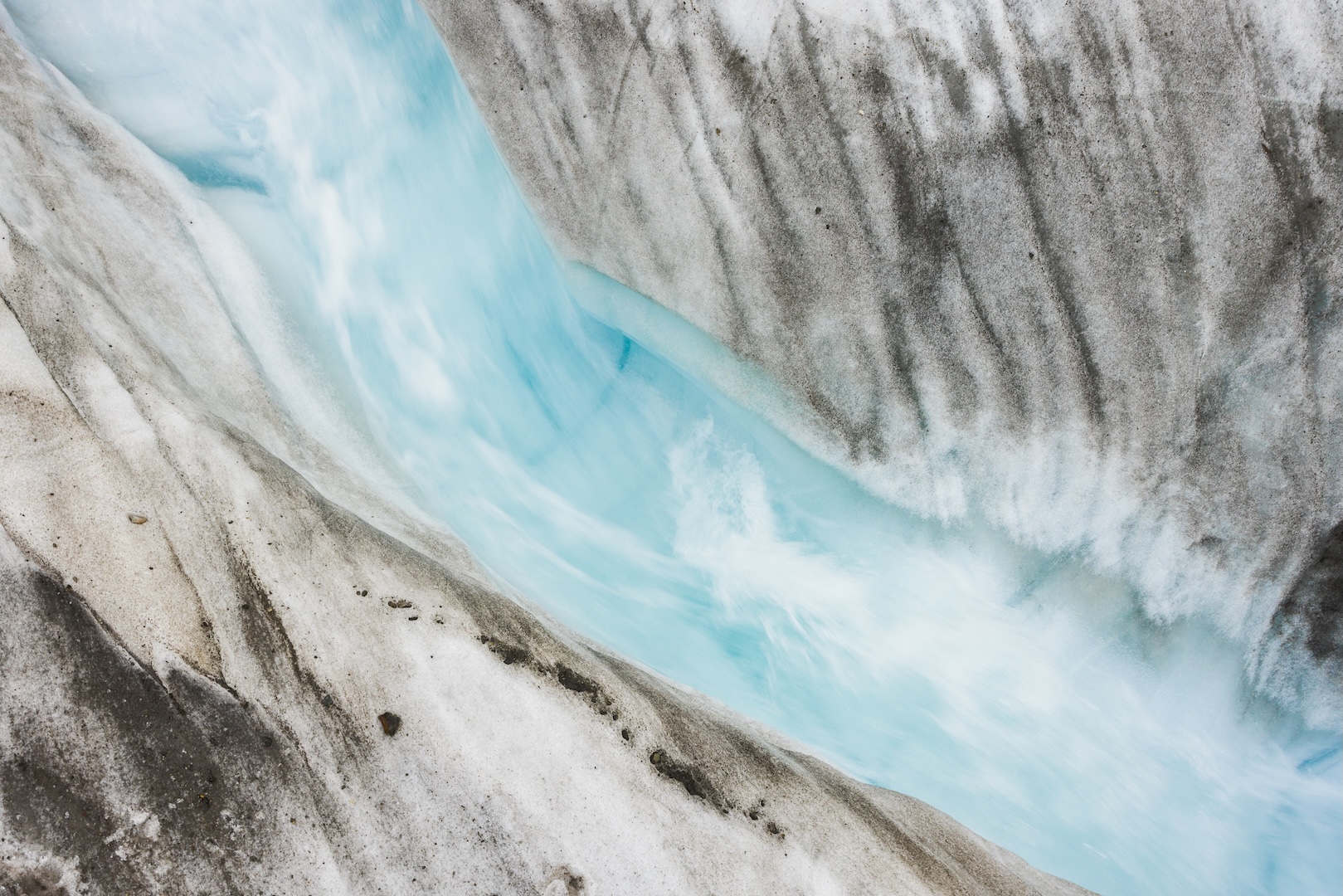
Photo: Tobias Büttel
How does glacier retreat affect the water cycle?
Over long periods, precipitation (often in the form of snow) leads to the accumulation of glacier volume—meaning glaciers gain mass through the freezing of fresh snow. Typically, this snow turns into firn within a year and becomes a key component of the glacier’s volume, which does not significantly melt even in warmer periods. The accumulation of new snow is the only way glaciers can grow. At the lower end of the glacier, water is released through evaporation or ice melt. This water is often years or even decades old and has undergone a natural “purification process” through pressure and movement. It serves as high-quality, though unfiltered, freshwater, which travels from mountains through streams and rivers into valleys and lakes across Europe—eventually reaching the sea. The influx of freshwater into the oceans is a crucial part of the water cycle and has a major influence on our climate and weather patterns in Europe. In the case of the North Atlantic Current (AMOC), it plays a role in thermohaline circulation—the global exchange of warm and cold water, as well as variations in ocean salinity.
Md. Hasanuzzaman Himel / Unsplash
Why should we be concerned?
Impacts on nature and local regions
Human-caused climate change is already leaving visible marks on the European Alps. Most glaciers in the Alps have only a few decades left before they disappear completely. Besides flooding, increased risks of mudslides and rockfalls, the loss of freshwater due to glacier disappearance is becoming a growing problem for ecosystems.
Impacts on people and the economy
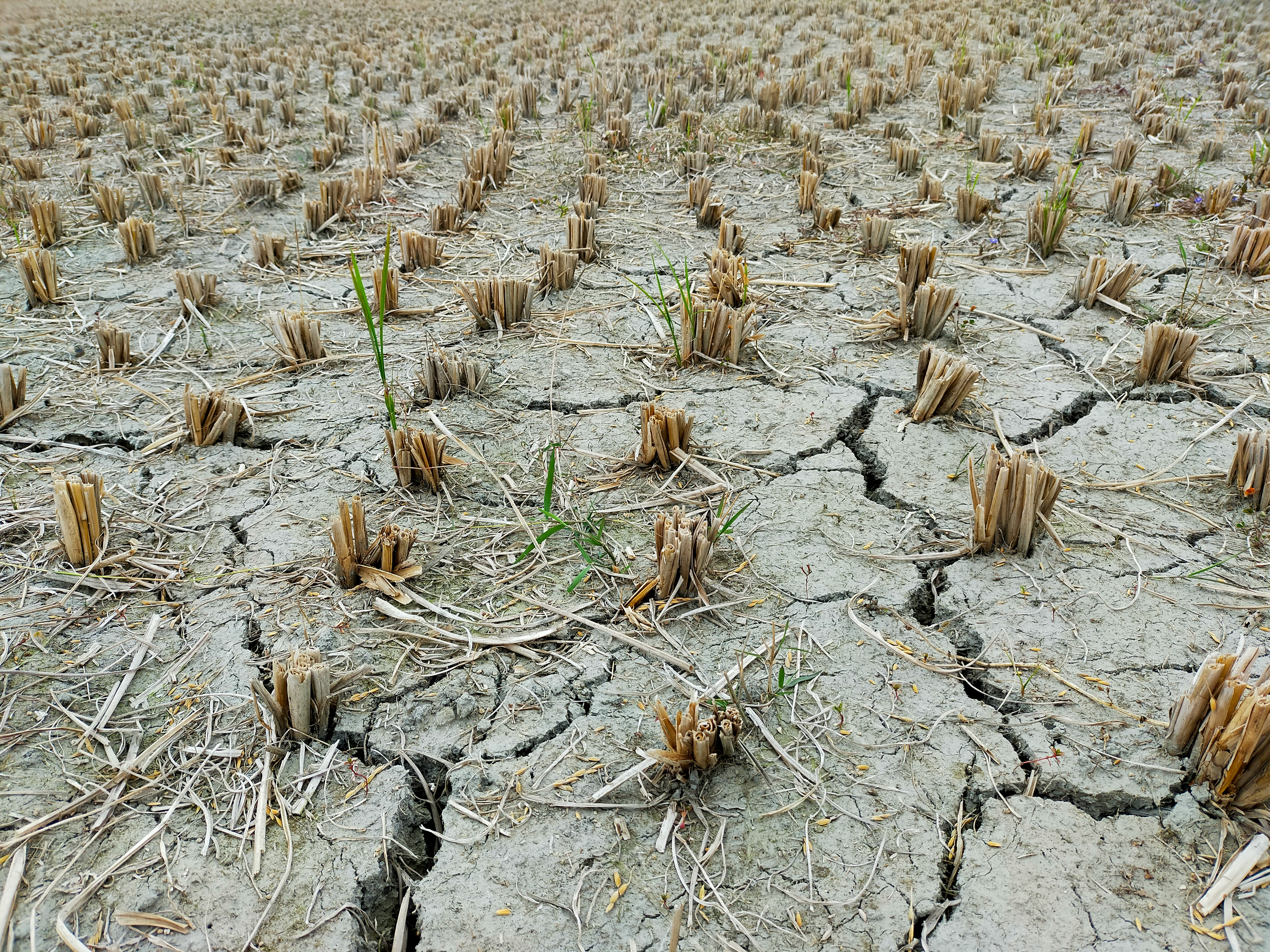
The rate and extent of glacier volume loss have drastic effects on people, wildlife, and industries in the valleys below. Surrounding communities and industries such as agriculture, energy production, tourism, and food production are not only losing unique biospheres but also a crucial component of the water cycle—one that provides their main source of water.
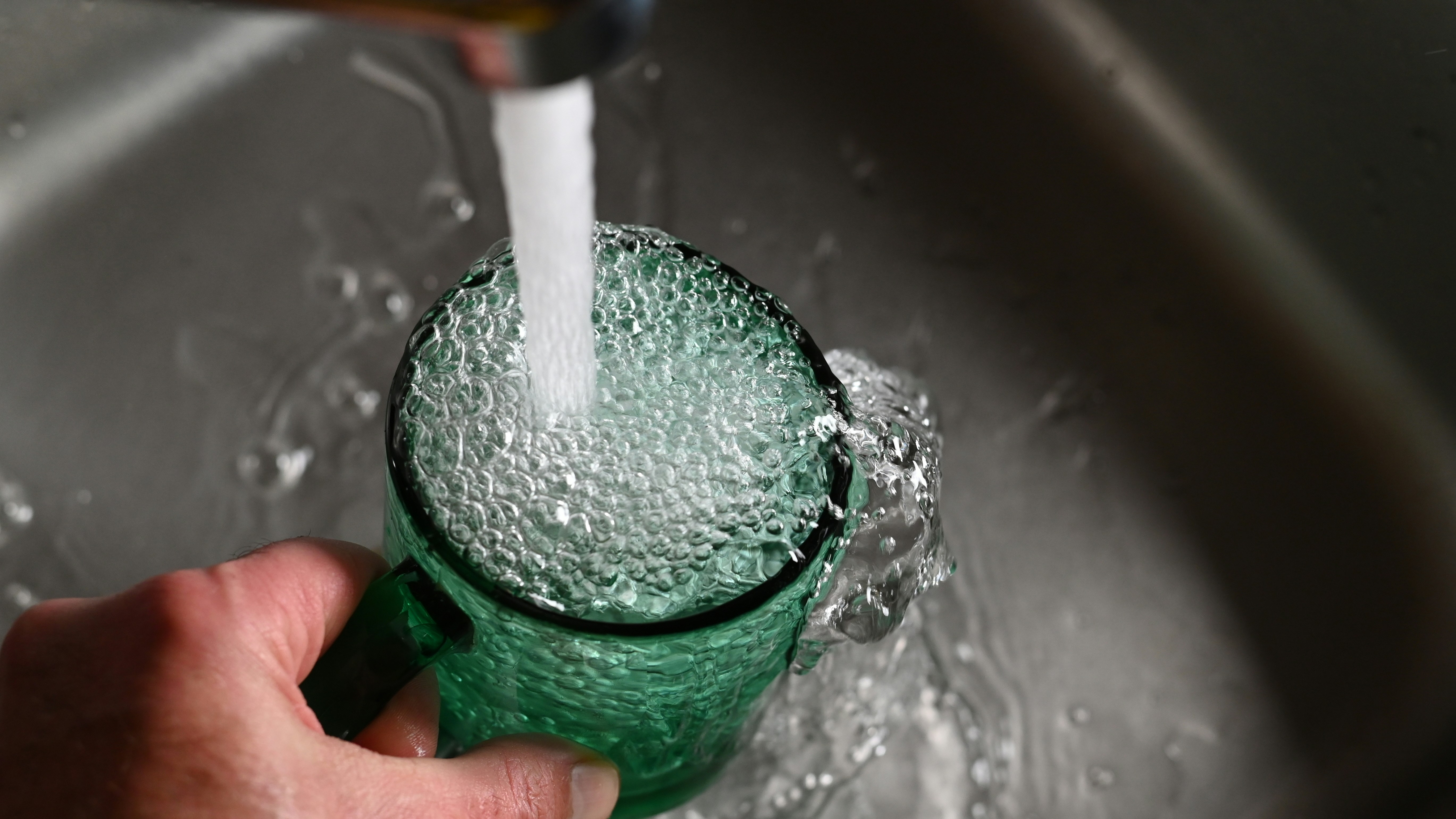
Photo: Andres Siimon / Unsplash
What can I do?
On an individual level, you can monitor and limit your own water consumption by considering how long you shower, how often you bathe, how frequently you do laundry (and how full the machine is), or how often you wash your car. Many daily activities use large amounts of water without us realizing it. Your choices also influence water consumption indirectly—for example, by purchasing clothing that is only worn for a year or by using AI tools like ChatGPT, which require significant amounts of water for cooling the servers they run on. Below, we take a closer look at how personal behavior and climate change are connected, using the examples of clothing consumption and artificial intelligence.
AI servers consume large amounts of water for cooling
AI-powered apps and websites provide convenient research tools that scan vast amounts of internet sources to generate text automatically. The process of training AI tools runs for months before they can even be used. This requires immense computing power, which in turn consumes a lot of energy in data centers. To prevent overheating, these servers are typically cooled with water. A study found that a single search session with 20-50 queries can consume about 500 ml of water—the equivalent of a small water bottle. Training the GPT-3 language model alone can evaporate 700,000 liters of drinking water. Considering that an average person uses about 46.5 liters of drinking water per year, this is equivalent to the annual water consumption of over 150,000 people. There are few alternatives to these AI tools that consume less water. However, conventional search engines can answer many simpler questions—such as Ecosia, which plants trees through global reforestation projects for each search query.
My clothing consumption depletes drinking water in other countries
Buying new clothes is fun. Large fashion retailers have built their business models on global manufacturing and distribution, benefiting customers with cheap prices and easy availability. What remains unseen is the textile industry’s enormous water consumption for producing clothing—often worn for less than a year. The industry pollutes many of the water sources it uses, rendering them unsuitable for drinking water. Water is required for growing cotton, producing synthetic fibers, and dyeing fabrics. Additionally, packaging materials and transportation—from textile factories to logistics centers to end consumers—also require water. Even online orders rely on servers that consume water for cooling. This water consumption is largely hidden from consumers, is not factored into clothing prices, and is never mentioned in marketing—but it plays a crucial role in production up to the moment a garment is worn for the first time.
How can I make a difference?
There are many ways individuals can reduce their water consumption. But beyond personal efforts, governments and industries must rethink their approach and take action. Citizens can influence political institutions—especially governments—to do more for climate protection by voting in local, regional, and national elections. Beyond that, people can support petitions advocating for water conservation, participate in demonstrations, and back organizations working on these issues. Another way to create change is by joining a political party and actively shaping policies or proposing concrete actions. Environmental organizations also offer opportunities to get involved—consider becoming a member of Glacierwatch and engaging in the climate movement. They regularly share updates on ongoing initiatives, including those at the regional and local levels.